Skip to content
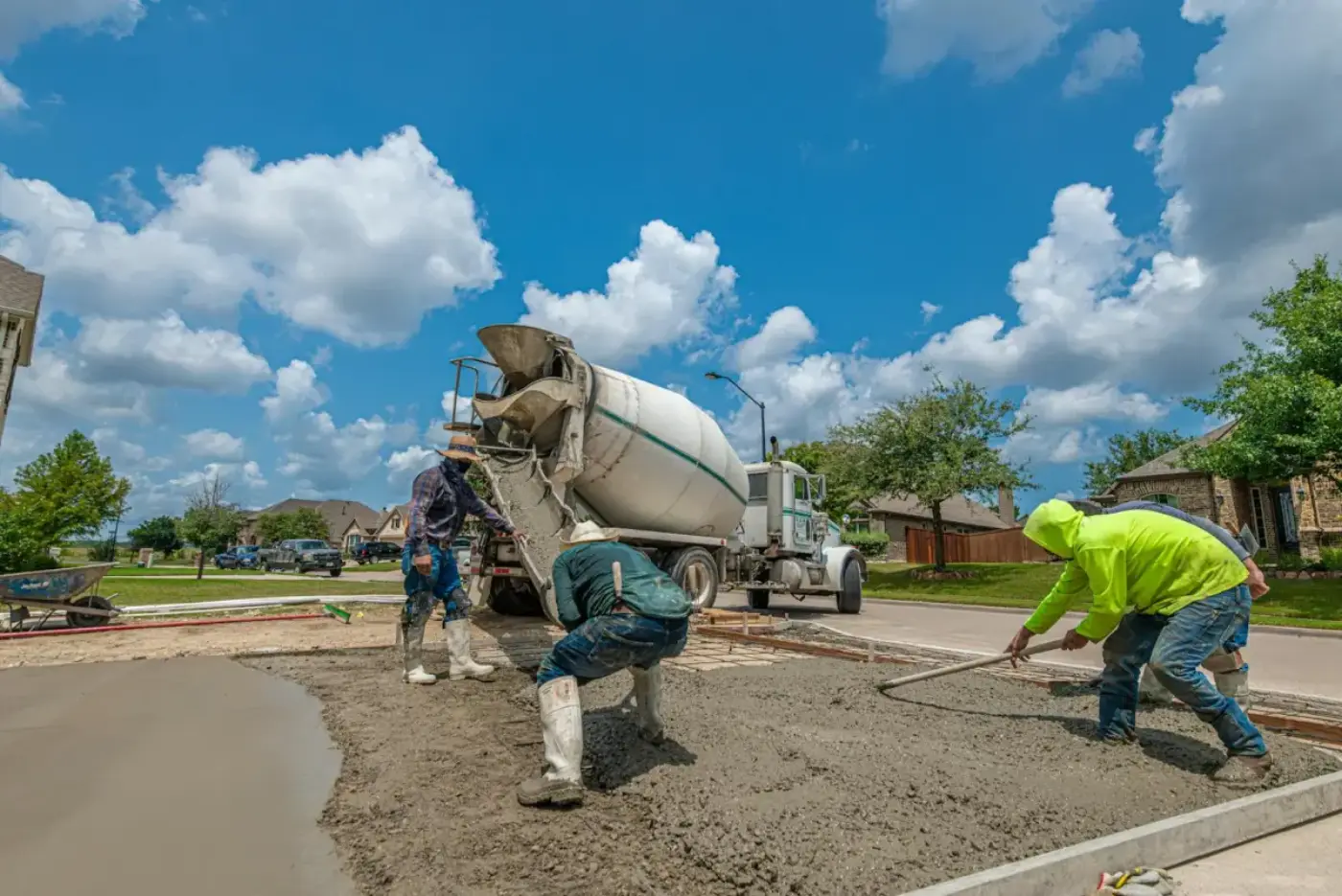
Pouring a new concrete driveway from the mixer truck

Driveway Concrete Repair

Driveway Slab Repair Options for Your Tampa Home

A damaged driveway slab can be an eyesore and a safety hazard. Understand the different repair methods available for your Tampa home, from minor patching to complete replacement.

Choosing the right solution depends on the extent of the damage, your budget, and how you use your driveway. We help you assess the best path forward.

Your Driveway Slab Repair Choices

When your driveway slab shows signs of wear, like cracks, settling, or unevenness, you have several paths to consider. Patching can address small surface issues, but it's often a temporary fix. Concrete leveling, sometimes called mudjacking or slab jacking, can lift sunken sections back into place. For severe damage, extensive cracking, or when the base is compromised, a full driveway concrete replacement might be the most durable and cost-effective long-term solution.

Assessing Driveway Damage

Look for common issues such as linear cracks, spiderweb cracks, sunken areas, or sections that have lifted. Consider the age of your driveway and how long the problem has been present. Significant damage, especially if it affects the structural integrity or causes water to pool, usually requires more than just cosmetic patching.

Patching and Minor Repairs

For very small cracks or surface imperfections, concrete patching compounds can be used. These are typically DIY-friendly for minor issues. However, patching does not address underlying problems like soil erosion or poor base support, and the repair may not match the surrounding concrete's appearance.

Concrete Leveling (Slab Jacking)

If a section of your driveway has settled or sunk, concrete leveling can raise it. This involves drilling holes and injecting a grout-like material or polyurethane foam beneath the slab. This method is effective for lifting and stabilizing, but it's not suitable for severely cracked or crumbling concrete.

Full Driveway Replacement

When the damage is widespread, the concrete is crumbling, or the sub-base is unstable, replacing the entire driveway slab is often the best long-term investment. This allows for proper site preparation, grading, and a new, durable concrete surface designed to last for decades.

Before You Repair Your Driveway Slab

  • Identify all cracks and areas of settling.
  • Check for pooling water after rain.
  • Determine if the base beneath the slab is compromised.
  • Consider the age and overall condition of the driveway.
  • Evaluate if repairs will match existing concrete appearance.
  • Verify if any permits are needed for major work.
  • Confirm utility lines are not near the repair area.

Other Concrete Slab Issues

Homeowners often face various concrete slab challenges. Explore solutions for sunken patios, trip hazards, and general concrete repair needs that impact your property.

Common Driveway Slab Questions

What's the difference between patching and leveling a driveway?

Patching fills surface cracks or holes. Leveling lifts sunken slabs to their original position. Patching is cosmetic; leveling addresses structural height differences.

When should I replace my driveway instead of repairing it?

Replacement is usually best for widespread cracking, crumbling concrete, significant settling of multiple sections, or if the base material has failed.

Can concrete leveling fix all driveway problems?

Leveling is effective for sunken slabs but cannot repair severely cracked, spalled, or crumbling concrete. It also doesn't fix issues with the sub-base itself.

How long does a new concrete driveway last?

With proper installation and maintenance, a new concrete driveway can last 25 to 30 years or even longer in Tampa's climate.

Call Now (656) 219-1462