Skip to content
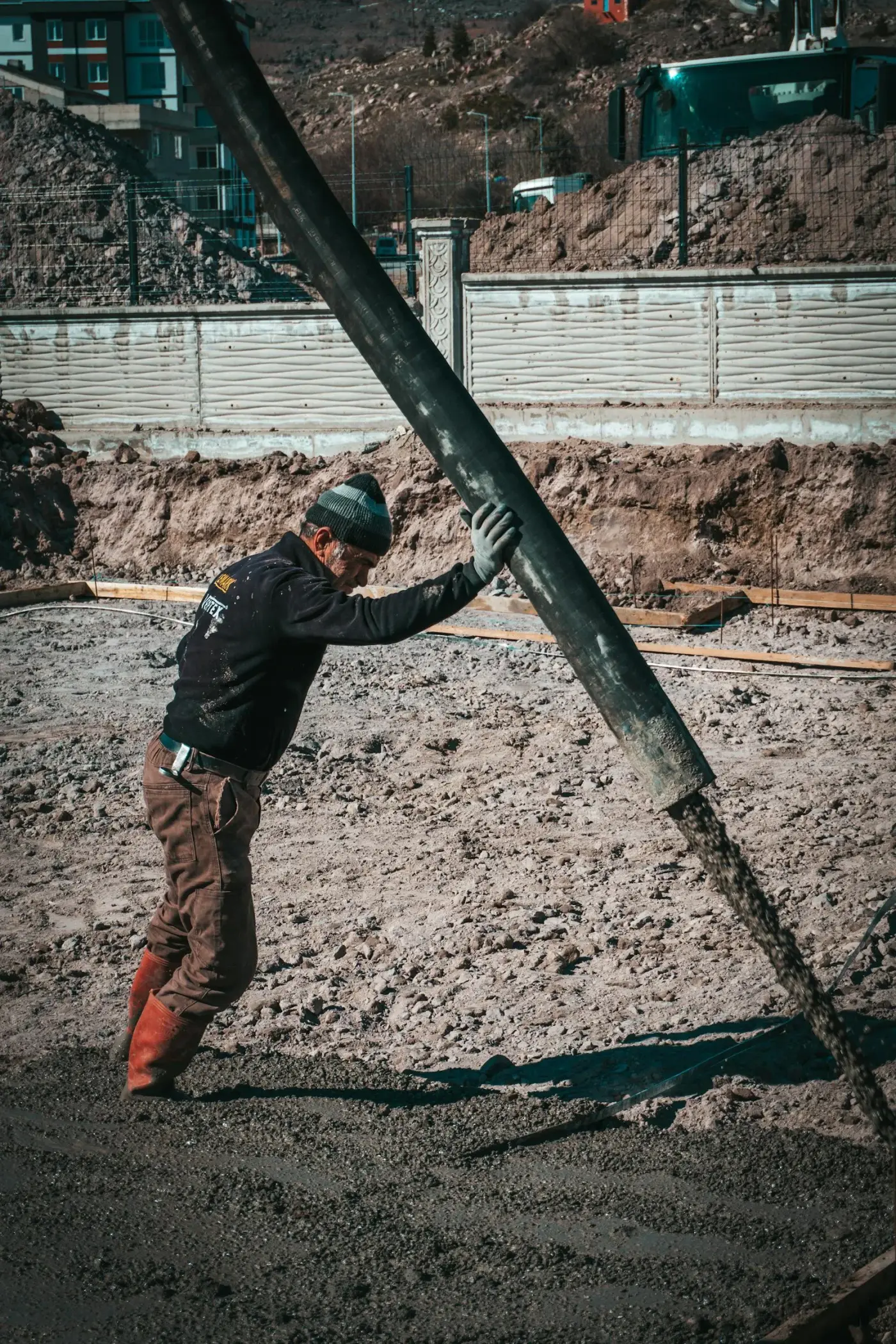
Finishing a freshly poured slab with a bull float

Concrete Safety

Fixing Trip Hazards in Tampa Concrete

Uneven concrete on your property in Tampa can create dangerous tripping hazards. Raised edges on sidewalks, walkways, or steps pose a risk to family and visitors.

Addressing these issues promptly is crucial for safety and property maintenance. Solutions are available to level out hazardous concrete and restore a smooth, safe surface.

What is a trip hazard concrete repair?

A trip hazard concrete repair involves fixing sections of concrete that have become uneven, typically due to settling, soil erosion, or root systems. This often means raising sunken slabs or leveling out raised edges on sidewalks, walkways, patios, or steps to eliminate the height difference that can cause someone to trip. Proper repair ensures a safe, accessible surface.

Common Causes of Uneven Concrete

In Tampa, FL, concrete can become uneven for several reasons. Soil expansion and contraction due to moisture changes, especially with our heavy rains, can cause slabs to shift. Tree roots growing underneath can lift sections, and poor initial installation or inadequate base preparation can also lead to settling. Identifying the cause helps determine the best repair method.

Assessing Your Concrete's Safety

Walk your property and look for any concrete sections that are noticeably higher or lower than adjacent ones. A height difference of as little as half an inch can create a tripping hazard. Pay close attention to sidewalks, pathways leading to your door, and edges around patios or driveways. Any visible cracks or significant settling warrants closer inspection.

Repair Options for Trip Hazards

Depending on the severity and location, options include mudjacking (or slab jacking) to lift sunken concrete, grinding down high spots, or in some cases, full replacement of the damaged section. Mudjacking is often effective for lifting concrete slabs that have sunk, restoring a level surface without the need for complete removal and repouring.

When to Consider Replacement

If the concrete is extensively cracked, crumbling, or has multiple uneven sections that are too widespread for simple leveling, replacement might be the more practical and long-term solution. Significant damage can compromise the structural integrity, making a fresh pour a better investment for safety and durability in Tampa's climate.

Before You Repair Trip Hazards

  • Inspect all concrete walkways, steps, and edges for height differences.
  • Note the approximate size and location of any uneven sections.
  • Consider the underlying cause, such as soil or tree roots.
  • Determine if the concrete is cracked, crumbling, or just uneven.
  • Verify if utility lines are present beneath the concrete.
  • Check local building codes for sidewalk repair requirements.

Related Concrete Issues

Discover solutions for other common concrete problems homeowners face in Tampa. From sunken slabs to cracked patios, find the right approach for your property.

Trip Hazard Concrete Repair FAQs

How high does concrete need to be before it's a trip hazard?

Generally, a height difference of half an inch or more between concrete slabs is considered a tripping hazard. This can vary based on local regulations and accessibility standards.

Can tree roots cause concrete to become a trip hazard?

Yes, tree roots can grow under concrete slabs, lifting them and causing uneven surfaces that create trip hazards. Removing the roots and repairing the concrete is often necessary.

What's the difference between mudjacking and replacement?

Mudjacking lifts existing sunken concrete by injecting a grout mixture underneath. Replacement involves removing the old concrete and pouring new concrete, which is suitable for severely damaged or widespread issues.

Should I repair concrete trip hazards before selling my home?

Yes, repairing concrete trip hazards is often recommended before selling. It improves curb appeal, enhances safety for potential buyers, and can prevent issues during home inspections.

Call Now (656) 219-1462